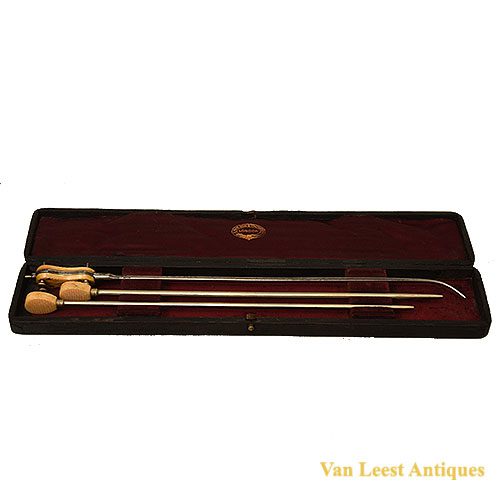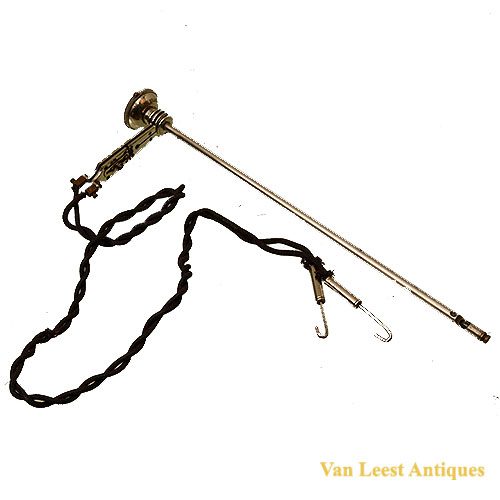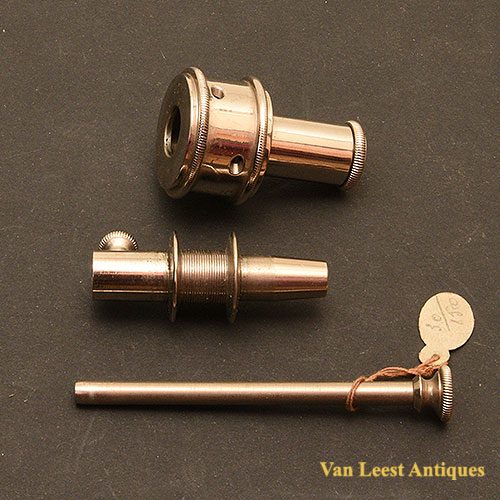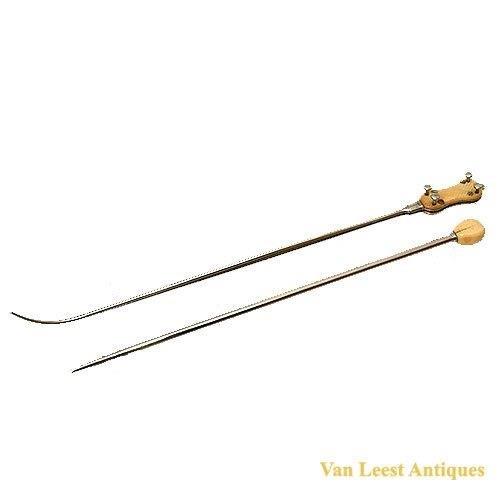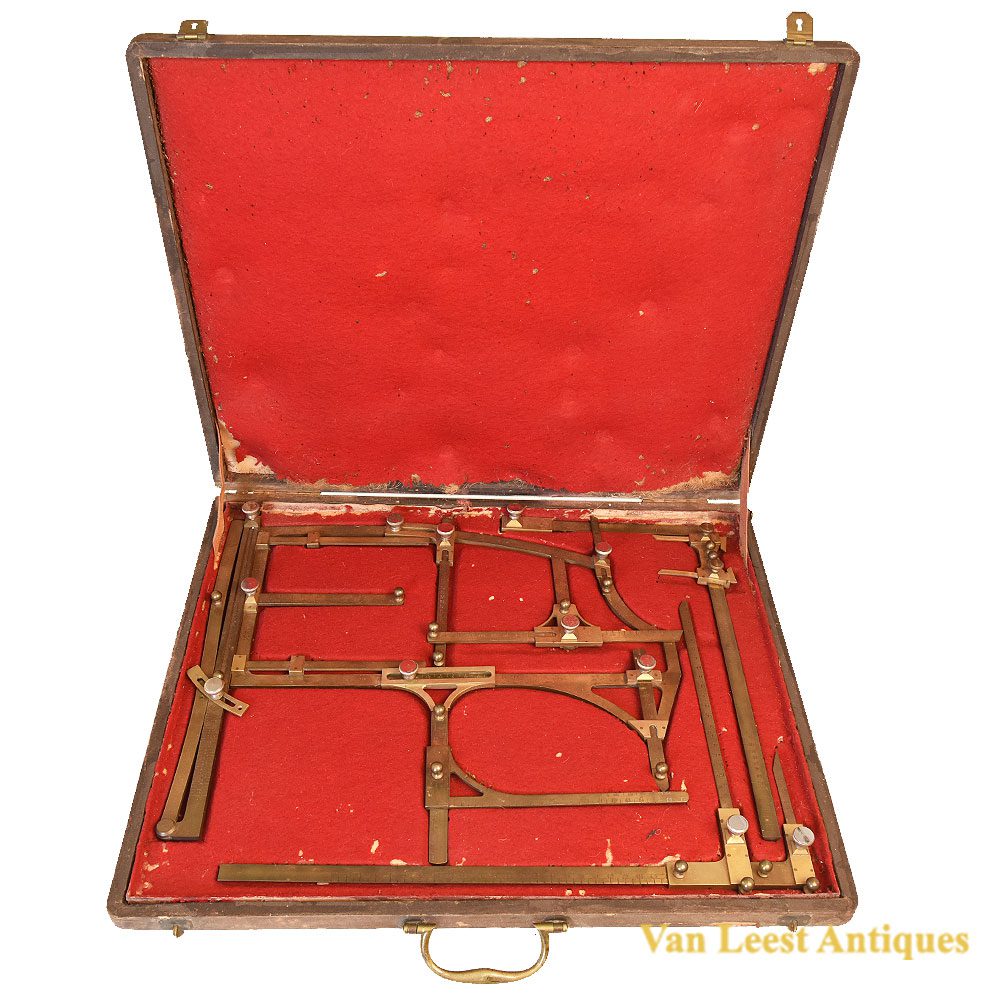
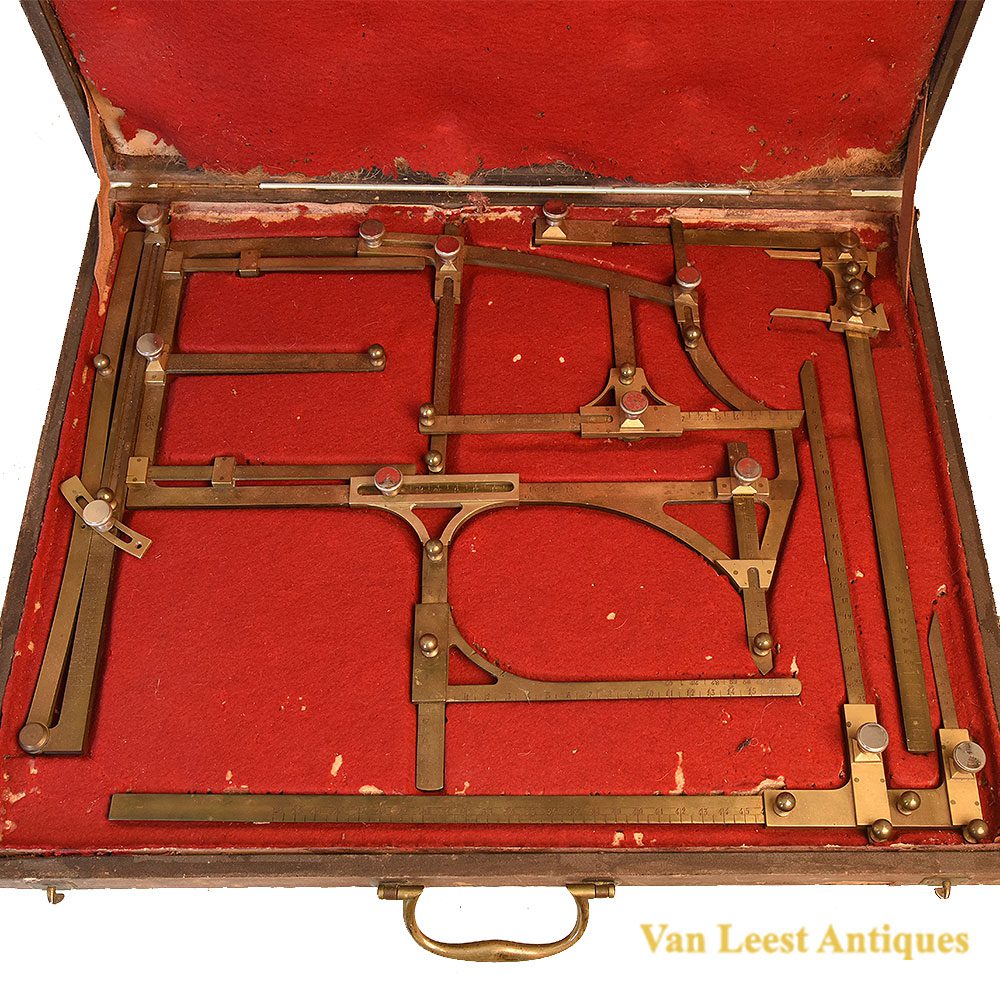
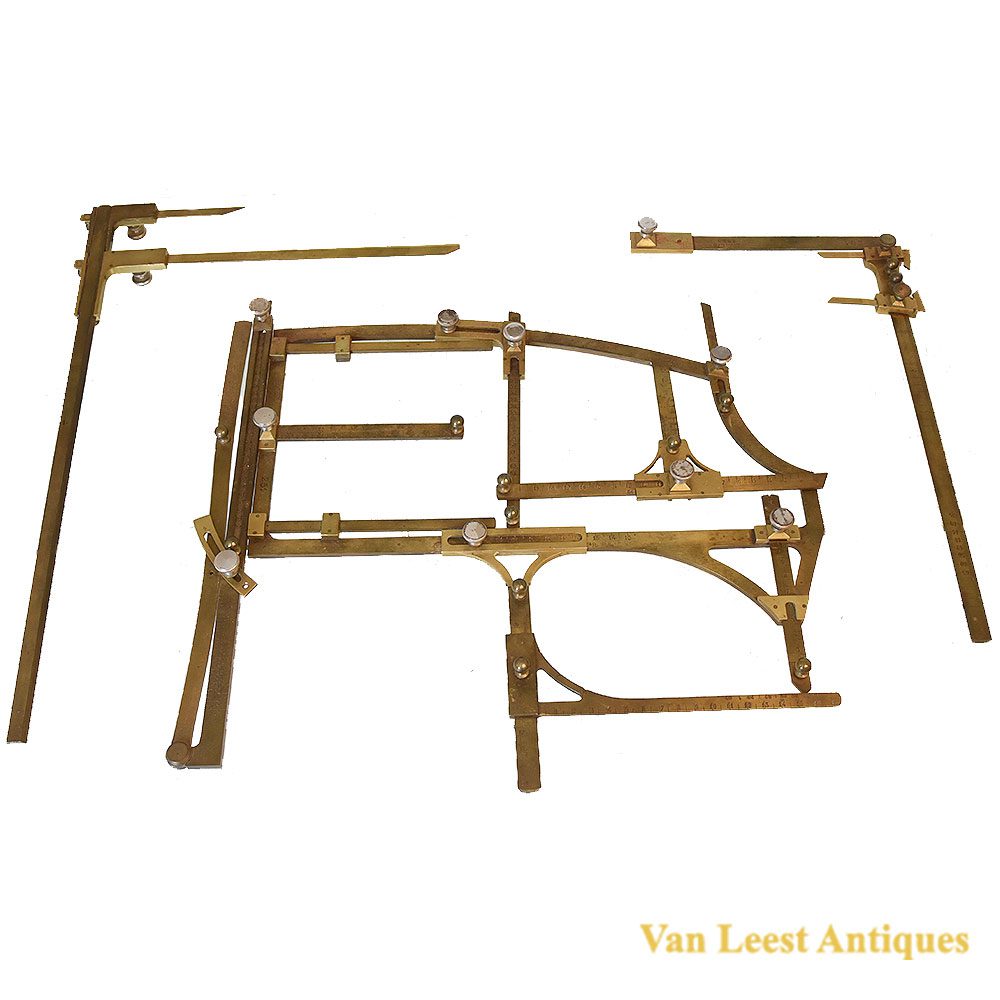
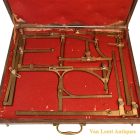
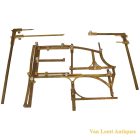
Bertillon orthometre measuring device for criminal identification, c. 1895
Sold
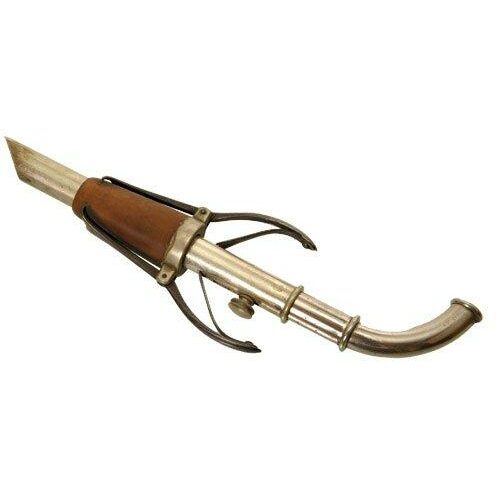
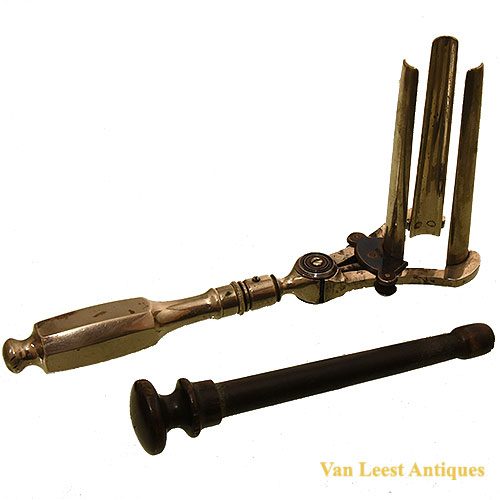
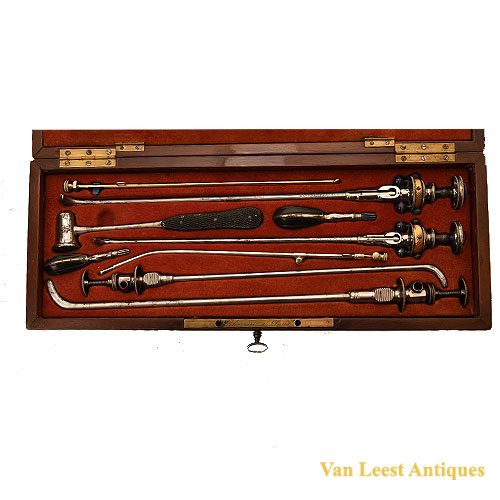
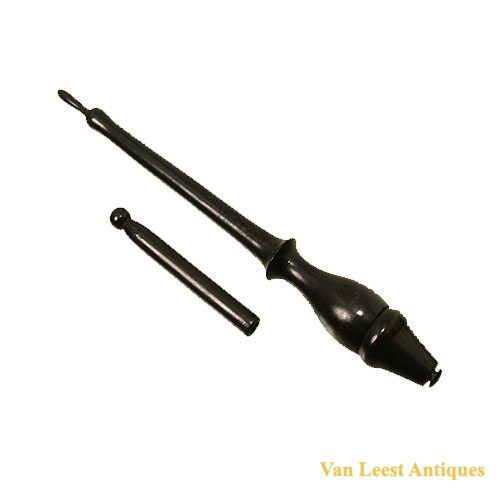
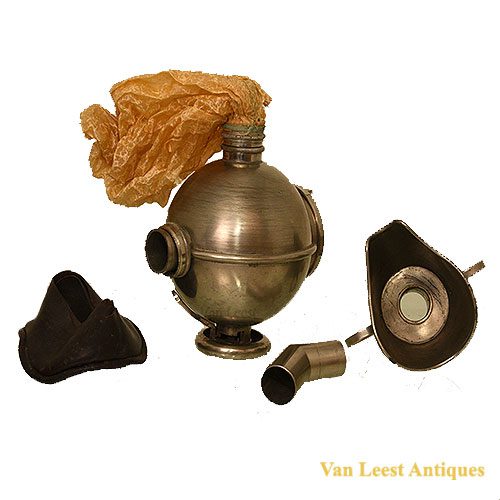
An orthometre brass measuring instrument Contained in a velvet lined wooden case of circa 1895. The orthometre was used to measure the face and head, and in particular the protrusion or retraction of the eyeballs.
The orthometre was designed by Alphonse Bertillon (1853-1914) in Paris, France, as a criminal identification tool as part of his antropometrics system, which recorded detailed physical measurements to identify individuals. Bertillon used various tools to measure height, head circumference, arm length, leg length, finger lengths and eyeball protrusion. His system was used to identify suspects in criminal cases. The system was extremely popular in France, leading to many convictions. It was superseded by more accurate and less labour-intensive fingerprinting. Bertillon pioneered many modern forensics techniques such as the ‘mug shot’, which is the standardised photography of criminals.
Measurements case: 42,5 x 50 x 5 cm.